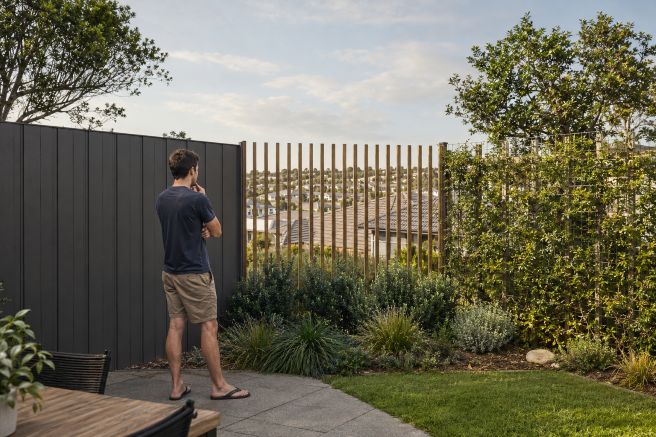
Environmental noise can disturb sleep, trigger annoyance, and interfere with everyday activities at home. The World Health Organization links excessive noise exposure with sleep disturbance, cognitive effects, hypertension, and other health concerns. That does not mean every household needs a fortress-like fence. It does suggest that the edge of a property can influence whether a garden feels restful or exposed.
For Sydney households considering a boundary upgrade, consulting fencing contractors Sydney may help connect broad design ideas with the site’s slope, neighbouring properties, street exposure, and applicable council requirements. Professional input is one part of planning, rather than proof that the tallest or most solid option is best. The useful question is how much screening the household needs without losing light, airflow, outlook, or a sense of openness.
The Case for More Defined Boundaries
A clear boundary can make an outdoor area easier to understand and use. A low screen might separate dining space from bins or utilities, while planting can soften a driveway view. Families may also value a secure edge around areas used by children or pets. Giving each zone a purpose can reduce visual clutter and competition for space.
Noise control provides a stronger factual case for carefully placed solid barriers. Guidance from the NSW Environment Protection Authority explains that managing environmental noise involves considering the source, the path it travels, and the receiver. A barrier can be useful when it interrupts the direct path between a source, such as road traffic, and a sitting area. Gaps beneath panels, openings between sections, and poor positioning can reduce that benefit.
Visual privacy may matter just as much as sound. A screen that blocks a direct view from a neighbouring window can help residents use a patio without feeling constantly observed. The answer need not be a solid wall around the whole lot. A short return panel, angled battens, a pergola screen, or layered shrubs may address the particular sightline while keeping the rest of the garden open.
The Argument Against High Enclosure
The opposing view deserves equal weight. Tall, continuous fencing can make a small yard feel narrower, shade garden beds, and remove pleasant views. A dark surface close to a window may also become visually dominant. If screening is installed without studying the sun, breeze, and neighbouring landscape, an attempt to create calm can instead produce a boxed-in setting.
Air movement is especially important during warm weather. The Australian Government’s YourHome guidance recommends using fences and planting to funnel cooling breezes or filter harsh winds. This means openness should be deliberate. Slatted sections, staggered planting, suitable gaps, and changes in height can preserve useful airflow, although any opening must still suit privacy, security, pool-safety, and acoustic needs.
A Calmer Design Is Usually a Layered Design
The two positions are less contradictory than they first appear. Privacy and openness do not have to be all-or-nothing choices. A household can use solid construction near a noisy source, targeted screens beside frequently used seating, and lighter boundaries where views or breezes are valuable. Trees and shrubs can add depth and movement, while a restrained material palette can prevent the yard from looking cluttered.
Material selection should follow the problem being solved. Dense, continuous construction is generally more suitable for interrupting sound paths than open pickets, but performance depends on the assembly and location. Timber requires a maintenance plan, while metal systems may offer clean lines and durability. Masonry has visual weight and needs structural planning. Gates also require careful attention because safe and functional gate installation can affect access, security, and the overall reliability of a boundary. Plants soften hard surfaces, though vegetation alone should not be assumed to match a purpose-designed acoustic barrier.
Before choosing a design, residents can map the property at different times of day. Note where traffic is loudest, where neighbours can see into sitting areas, how shadows move, and which direction cooling breezes arrive from. The Australian Government Department of Climate Change, Energy, the Environment and Water advises considering solar access, views, cooling breezes, and privacy together when assessing a site. The same joined-up thinking is useful when altering an established yard.
- Identify the specific noise source and important sightlines.
- Protect airflow, daylight, useful views, and safe access.
- Check local planning, boundary, and pool-safety requirements.
- Compare upkeep, durability, appearance, and acoustic purpose.
- Use planting to soften and connect built elements.
Finding the Household’s Balance
Better boundaries can help a home feel calmer, but calm does not come from height alone. It comes from reducing distractions while keeping the qualities that make an outdoor area pleasant. A family beside a busy road will have different priorities from a couple overlooking a leafy reserve or a resident with a compact courtyard.
The most convincing approach is selective and site-specific. Suitable height, clear sightlines, filtered airflow, thoughtful planting, and materials chosen for their function can create privacy without unnecessary confinement. As homes become denser and outdoor areas work harder, boundary design will increasingly be judged by how well it balances shelter with connection. A calm garden is rarely the most enclosed one. It is the one whose edges respond quietly and sensibly to the people, climate, and surroundings.